
Episode 192: Irascible Immortals: Everlasting Life
The folklore of Immortality in a nutshell and how I reimagined it for my writing.
Transcript
You’re listening to the Faeries and Folklore podcast by Ronel.
I’m dark fantasy author Ronel Janse van Vuuren. With nearly a decade of digging around in dusty folklore books, researching creatures of imagination that ignited my curiosity, I’m here to share the folklore in a nutshell and how I reimagined it for my writing in an origin of the fae.
This is the Faeries and Folklore podcast.
Hi, I’m your host Ronel Janse van Vuuren. You can just call me Ronel. In today’s episode, we’re continuing our exploration of the fae realm.
This episode is brought to you by my Irascible Immortals series, available in ebook, paperback, hardback and audiobook. They’ve been alive forever. They’ve been bored for some time. And now they’re showing it. Go to ronelthemythmaker.com/my-books/the-irascible-immortals-series for more.
We’re continuing our exploration of the Immortals.
Today’s faery: Immortality
Folklore in a nutshell by Ronel
Immortality or everlasting life is the kind of thing people search for and go mad for finding… outliving everyone you’ve ever known or loved will take a hard toll on a person. Unless you’re already a soulless monster.
People yearn for youth and beauty. It’s the thing that hasn’t gone out of fashion. From the Aesir not wanting Idun’s apples to fall into the wrong hands, to the Celts searching for Tír-na-n-Og to live in the Country of the Young, to searching for the Elixir of Immortality in various mythologies, folklore is rife with examples of people wanting to live forever.
But eluding death just leads to wasting your life in search of the alchemists’ Philosopher’s Stone, trying to steal apples or ambrosia from the gods, or – worse – making deals with dark creatures.
There are instances of the gods making mortals immortal: Zeus made Cupid’s wife Psyche immortal for all the harm Aphrodite had done. But it’s not a common occurrence.
What folklore and literature has taught us is that the chase for immortality always turns the seeker into a monster. Voldemort ripping his soul into pieces, for example. Or Dorian Gray and his monstrous portrait.
It’s much safer to eat healthy food, exercise, and drink plenty of water to live for as long as you are meant to. Unless you want to become a desiccating thing rotting in an attic?
Origin of the fae: Immortality
There are different ways to gain immortality. It, of course, means different things to different beings.
The first is being cursed with immortality. This usually happens among human magic-users. It can take on many forms, from being stuck at the same age forever and never changing to living until a certain age and being hunted down by the enemy and then born again just for the painful cycle to continue forever.
The second is stealing immortality – or being granted the gift of immortality. Both requires the Elixir of Life to be consumed. The elixir is kept safe in Avalon, though there are always those stealthy enough to steal from the Fae. Some mortals are granted the gift for services rendered (like saving an entire race of Fae).
The third is striking a deal with the Unseelie Court, mostly with the king himself. But this usually results in the seeker becoming more monstrous the longer he/she lives. Which, of course, suits the needs of the Dark Court. An example is the Obayifo.
The last way to be immortal is being born with it. All Fae are born immortal. Though, certain things can change their state. Being immortal doesn’t mean being indestructible. Fae kill Fae all the time over silly disputes – the King of the Dead, Ankou, wouldn’t have a realm otherwise. And curses can influence even what immortality means: The Fae living in the Labyrinth suffer for perpetuity over something none of them were involved in, though they all die very young (even to mortal standards).
The Fae, and made immortals, can live for thousands of years if not killed off. They are patient with their plans: it doesn’t matter if a plan has to take twenty – or two hundred – years to come to pass, they have the time to wait. Living forever also means that most of them are never in a hurry to do anything: time is their friend.
I hope that you’ve enjoyed this episode of the faeries and folklore podcast and that you’ve learned something new about faeries.
Remember that you can get a transcript of this episode in the description. If you’re new to the podcast, why not go and grab your free copy of Unseen, the second book in the Faery Tales series, on my website ronelthemythmaker.com? Loads of folklore, magic and danger await! Take care!
Available at
Audible | Podbean | Amazon Music | Spotify | Youtube | iHeart Radio | Player FM | Listen Notes | Apple Podcasts | TuneIn

Read the full folklore article:

Explore the folklore, modern interpretations, and the Faerie Mythos.
Listen to this season’s audiobook:
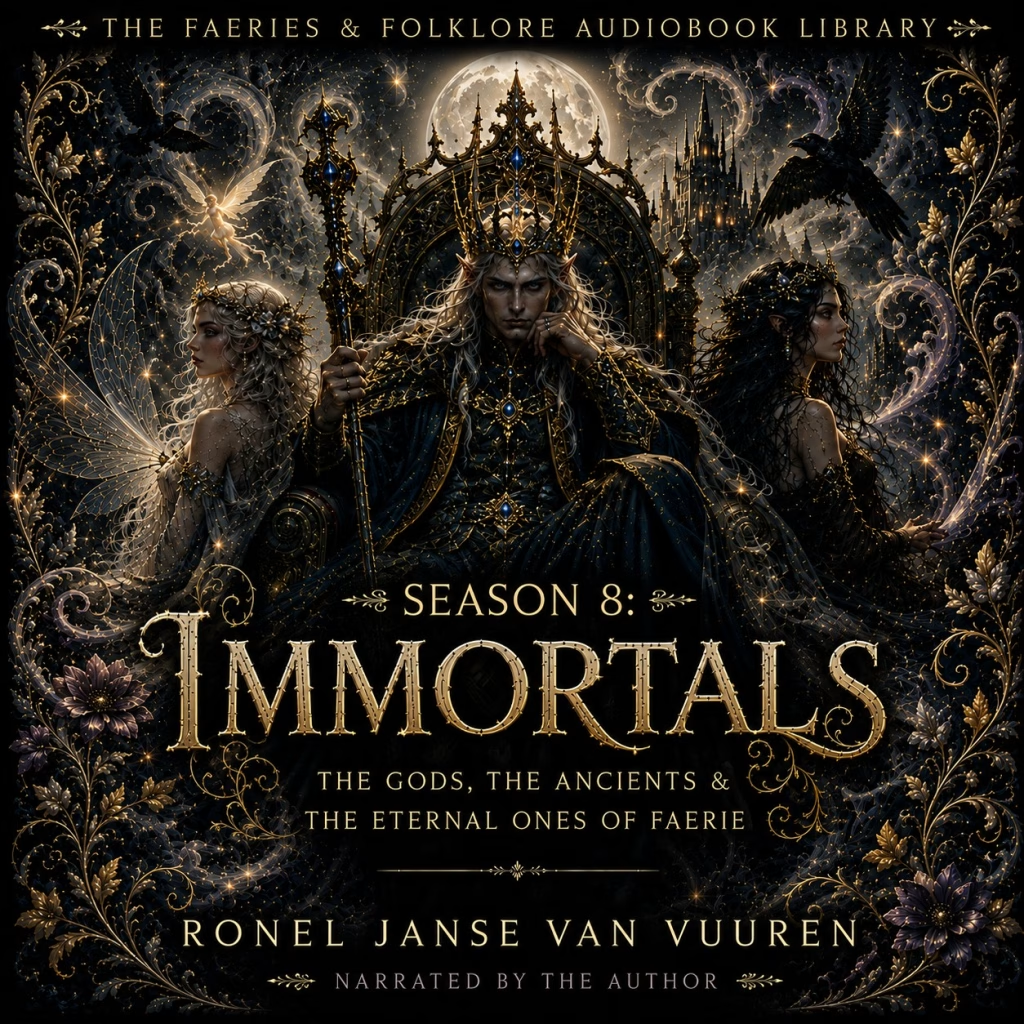
Listen to the full season with no interruptions.
Explore the Audiobook Library ✦ Browse the Lore Archive ✦ Discover the Faerie Mythos Books ✦ Join the Mythmaker’s Circle
Enjoying the podcast?
If you’ve enjoyed this episode, you can support the time and care that goes into researching, writing, recording, and producing the Faeries & Folklore Podcast by buying me a coffee.
Your support is always appreciated, whether it’s a one-time thank you or an occasional coffee whenever you feel like it. Every contribution helps me continue sharing the folklore, myths, and legends that inspire the Faerie Mythos.